Health and common issues
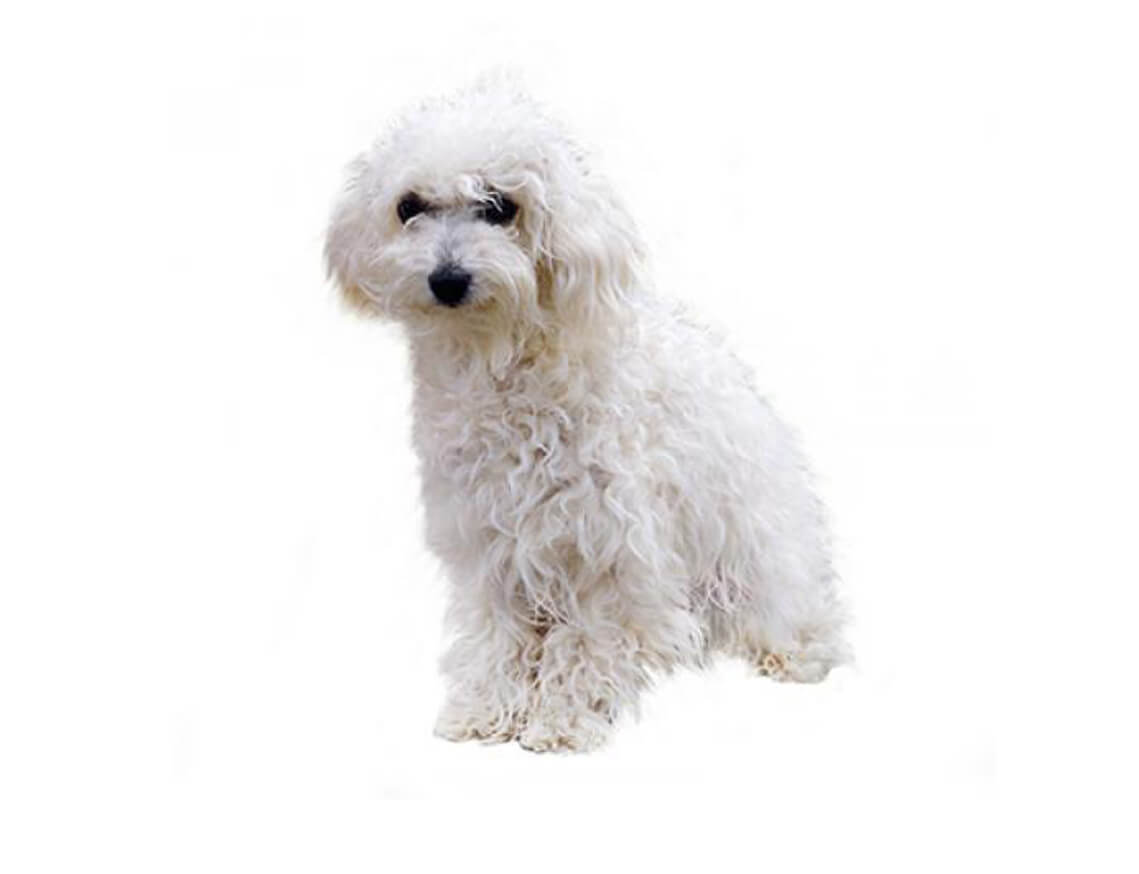
The Bolognese dog is generally a healthy breed with no widely recognised breed specific health problems.
Space requirements
The Bolognese will happily live anywhere in any style of housing as long as there is access to a secure garden to play in and their owner is with them the majority of the time. This companion breed will not fare well left alone for long periods and should be taught to cope with short durations of separation from their owner as it does not come naturally.
Training bolognese
The Bolognese is easy to train using positive reinforcement, and should be trained as they are smart and clever. Small though they are, the Bolognese is still a dog and is a better companion for some basic training, and a happier dog if given some mental stimulation as well as regular physical exercise. Early puppy socialisation is a must to ensure these reserved little dogs are confident and happy in all situations. They can be slow to toilet train so patience is required.
Best family dog breeds
Reserved and easily mistaken for a toy by younger children, they are suitable for quieter homes, families with older children or retired couples or singles. While many dogs are traditionally thought of as being good with children, all dogs and children need to be taught to get on with each other and be safe together. Even so, dogs and young children should never be left alone together and adults should supervise all interactions between them.
Did you know?
Despite their rarity now the Bolognese was so popular they were owned by the likes of Catherine the Great, Madame De Pompadour and Empress Maria Theresa of Austria. They have also featured (alongside their owners) in works of art by Titian, Goya, Gosse and Watteau.