Sorry, you need to enable JavaScript to visit this website.
Skip to main content
Keeping Your Senior Cat Happy and Healthy Exercise & Mental Stimulation
Keeping Your Senior Cat Happy and Healthy: Exercise & Mental Stimulation
7 mins read
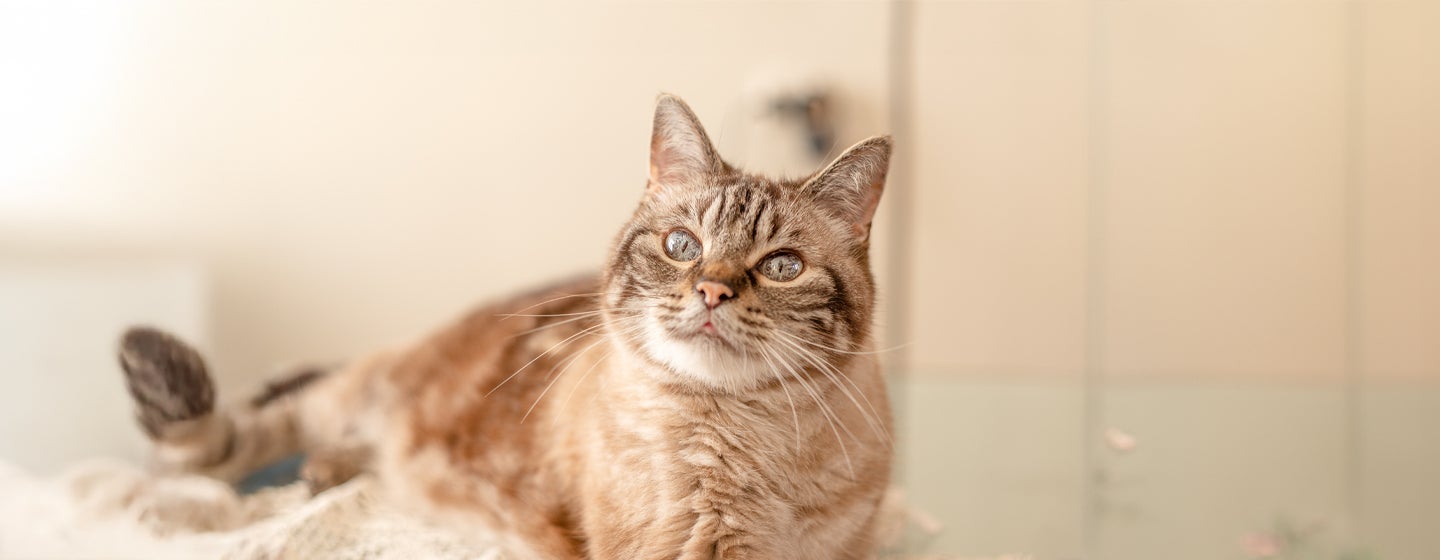
As cats get older, their needs change. Around the age of eleven, it’s time to adjust how you care for them to ensure they stay healthy and happy. While older cats may naturally become less active, keeping them stimulated and engaged is crucial for their wellbeing. This guide offers tips on how to include appropriate enrichment in their day to day lives, and how to set up their space to keep elderly cats comfortable and active. It's important to remember that every cat is different. Some older cats may remain active and playful, while others will prefer a more relaxed lifestyle. The key is to observe your older cat's behaviour and adjust your care accordingly. With a little knowledge and a lot of love, you can provide a comfortable and fulfilling life for your cat whatever their age.
A Guide to Grooming Your Ageing Cat
9 mins read
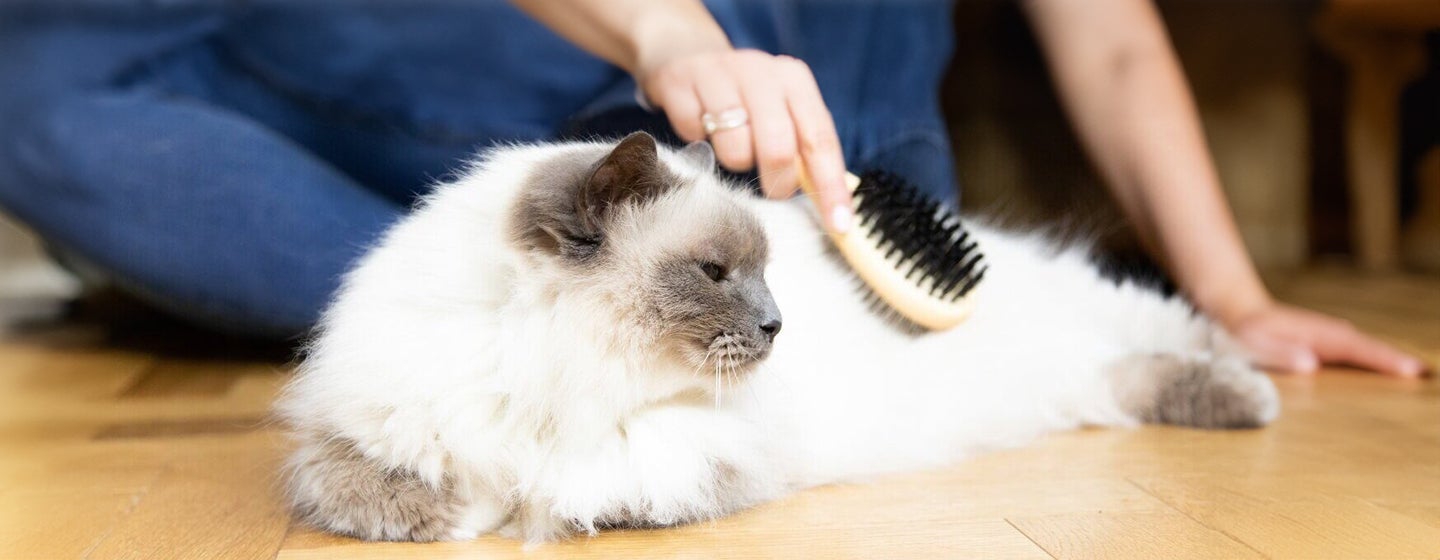
Understanding Your Senior Cat's Grooming Needs As cats age, they may face several grooming challenges. Common age-related health issues such as arthritis or becoming overweight can reduce their flexibility and so make self-grooming much more difficult for them. This can lead to dandruff, unkempt fur and unhealthy skin. Other conditions, such as hyperthyroidism, diabetes, and kidney issues, can also affect a cat's coat and skin. Older cats with these conditions may require extra care to remove dead hair and manage excess skin oil, preventing matting. It’s also common to see changes in their coat texture and skin health as cats age. Some ageing cats have an increase in the naturally produced oils from their skin, which can cause mats – often at the base of their tail and up their back. A sudden reduction in your cat’s self-grooming is always a cause for concern – especially if they are usually fastidious. It could indicate mouth or dental problems, pain or disease, and you should always contact your vet. Top Tip: Look for signs that your senior cat may need help grooming themself. These can include matted fur, dandruff, an unkempt appearance, itchiness, or increased hairballs. If your cat seems to be starting to have issues to grooming themself, it's time to step in and help them.
Maintaining a Healthy Weight for Your Senior Cat
6 mins read
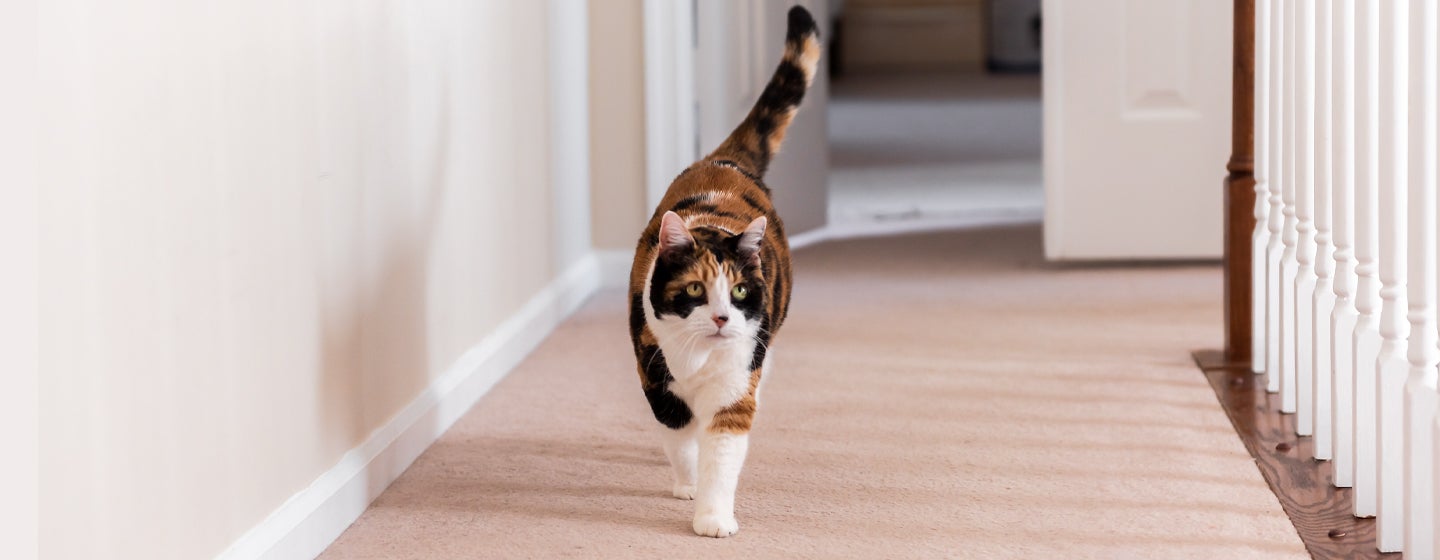
Understanding Weight Changes in Ageing Cats First things first, we need to understand that weight changes in ageing cats is normal, and they often occur in two distinct stages. As cats enter their senior years, they may become less active, which can lead to weight gain if we don’t adjust their diet, same as with dogs. However, as cats become geriatric, they tend to lose weight – both fat and muscle. This loss can be due to several factors, from dental problems, that make eating painful, to a decrease in their sense of smell and taste, as well as changes in their metabolism. Studies have shown that after the age of 11, a cat's metabolic rate can actually increase, while their digestion and ability to absorb nutrients decrease. Many cats over 12 struggle to digest fat (up to a third) and protein, which can lead to weight loss even if they're eating the same amount. This is why it's important to consider a cat's age when feeding them. Energy provision may need to be slightly decreased from 7 to 11 years old, but then increased from 12 years old onwards to account for these metabolic changes. In some cases, senior cats may actually need more food after the age of 12 to maintain a healthy weight.
Senior Dog Weight Management
7 mins read
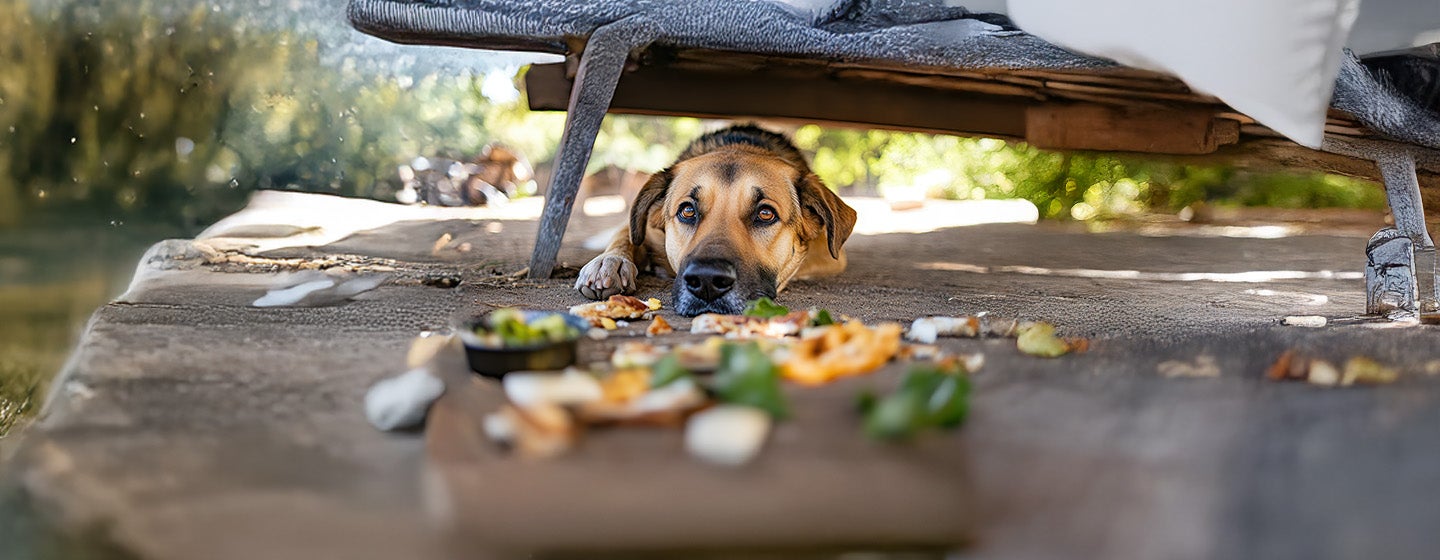
Keeping your elderly dog at a healthy weight is super important. Just like us, senior dogs often get less energetic as they age and so are prone to weight gain. This may mean they don't need as much food or that they need a change of diet. Extra weight can make older dogs less active and mobile, and even worse; it is associated with health problems like osteoarthritis, diabetes, and some cancers – along with difficulties breathing, and a reluctance to exercise or play. Sudden weight loss can also be a sign of underlying health issues, so it's important to monitor your dog's weight closely. We'll discuss how to recognise the signs of weight changes in your senior dog and provide tips on how to maintain a healthy weight throughout their golden years.
Understanding Your Ageing Cats Sleeping Habits
5 mins read
As your cat ages, their sleep patterns might change. Older cats may sleep more, with their energy levels simply decreasing with age. Other times, senior cats might sleep more during the day, saving their energy for evenings and nighttime explorations. While you might find this a little disruptive, it's a natural shift in their sleep cycle. Learn how to understand these sleeping patterns and create a cosy sleep haven to ensure they get the rest they need. Common Changes in Older Cats' Sleep Patterns
Grooming Tips for Senior Dogs
6 mins read
As our furry friends age, their needs shift, and we need to adapt how we care for them. Grooming isn't just about making our dogs look good; it's a vital part of keeping them healthy and clean, especially as they reach their twilight years. Grooming gives you a chance to monitor any new lumps or bumps and is a great way to spend quality time with your dog at a time in their life when you are maybe exercising them less. But don't worry; by making a few changes, using the right approach and eating the right senior dog food, we can ensure our ageing pets stayhealthy, happy and well-groomed.
senior care
Can Dogs Eat Turkey When to Feed & When to Avoid
Can Dogs Eat Turkey? When to Feed & When to Avoid
3 mins read
At Christmas dinner, you’ve probably noticed your dog hanging about (and possibly giving you puppy dog eyes) because they can smell that delicious turkey cooking. But can dogs eat turkey and share the fun? We have a guide on whether dogs can eat turkey, when it’s unsafe to feed it, and how to safely feed it to them below.
Feeding & Nutrition
Dog Abscess: What to Look Out For & Best Treatment
6 mins read
Have you noticed an unusual swelling on your dog’s body? Wondering if it could be an abscess? Dogs can develop them just like humans and cats. Although they may not be as immediately noticeable in dogs due to all their luscious fur, they can nevertheless cause pain and discomfort. Keep reading to find out more about dog abscesses, how to tell when your best friend is affected and what to expect when you take them to the vet to be treated.
health
Blood in Cat Urine Causes Other Symptoms to Look Out For
Blood in Cat Urine: Causes & Other Symptoms to Look Out For
4 mins read
Blood in a cat’s urine is a worrying sight. Also known as ‘haematuria’, it can be a sign of a few different urinary tract conditions which is why it’s important to get your cat checked by a vet. Our article covers what other symptoms to look out for, what it could mean for your cat and ways to prevent it.
health
What Is Pica in Dogs and How to Treat it
11 mins read
Pica in dogs can become quite a serious problem if not taken care of, so it’s best to know all the signs to help you identify the issue quickly and get your pet the help they need. Keep reading to find out some of the most surprising facts about this condition.

Pagination

  • First page
  • Previous page
  • …
  • Page 12
  • Page 13
  • Page 14
  • Page 15
  • Page 16
  • Page 17
  • Page 18
  • Page 19
  • Page 20
  • …
  • Next page
  • Last page
Purina Pet Club logo

Join Purina Pet Club for expert tips, helpful advice, exclusive offers and rewards.

Join the Club
Nourishing pets Purina pets grid card
Purina Pet Club logo

Join Purina Pet Club for expert tips, helpful advice, exclusive offers and rewards.

Join the Club
Nourishing pets Purina pets grid card
  • Cat
    • Care & Advice
    • Find a Pet
    • Food
    • Our Brands
  • Dog
    • Care & Advice
    • Find a Pet
    • Food
    • Our Brands
  • About Us
    • Our Mission
    • Our History
    • Our Purina Promise
    • Purina In The Community
  • Other
    • Join Purina Pet Club
    • Breed Selector
    • Contact Us
  • Cat
    • Care & Advice
    • Find a Pet
    • Food
    • Our Brands
  • Dog
    • Care & Advice
    • Find a Pet
    • Food
    • Our Brands
  • About Us
    • Our Mission
    • Our History
    • Our Purina Promise
    • Purina In The Community
  • Other
    • Join Purina Pet Club
    • Breed Selector
    • Contact Us
  • Cat
    • Care & Advice
    • Find a Pet
    • Food
    • Our Brands
  • Dog
    • Care & Advice
    • Find a Pet
    • Food
    • Our Brands
  • About Us
    • Our Mission
    • Our History
    • Our Purina Promise
    • Purina In The Community
  • Other
    • Join Purina Pet Club
    • Breed Selector
    • Contact Us
  • Cat
    • Care & Advice
    • Find a Pet
    • Food
    • Our Brands
  • Dog
    • Care & Advice
    • Find a Pet
    • Food
    • Our Brands
  • About Us
    • Our Mission
    • Our History
    • Our Purina Promise
    • Purina In The Community
  • Other
    • Join Purina Pet Club
    • Breed Selector
    • Contact Us
© 2026 Purina. All Rights Reserved.

©Reg. Trademark of Nestlé S.A.

Terms & Conditions
Privacy Policy
© 2026 Purina. All Rights Reserved.

©Reg. Trademark of Nestlé S.A.

Terms & Conditions
Privacy Policy
© 2026 Purina. All Rights Reserved.