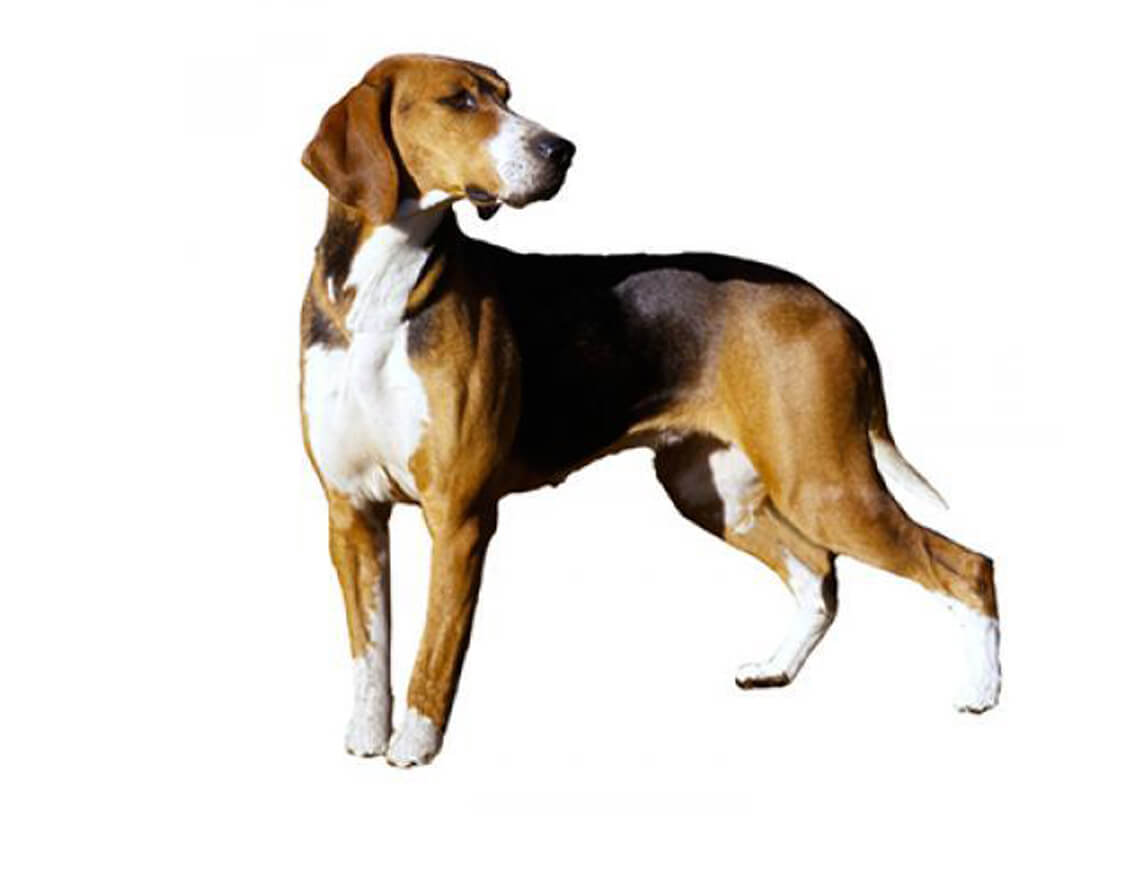
Afghan Hound

A dignified, aloof breed often considered an aristocrat, the Afghan Hound has a happy temperament and makes an excellent family companion. Little is known about the Afghan Hound’s history before the 19th century when he was discovered in Afghanistan. A large breed, the Afghan Hound requires regular exercise, and his long, silky coat needs regular grooming.

DID YOU KNOW? In April 2005 in Korea, an Afghan Hound called “Snuppy” became the world’s first successful dog clone.

ALSO KNOWN AS: Kuchi Hound, T?z?, Balkh Hound Baluchi Hound, Barutzy Hound, Shalgar Hound, Kabul Hound, Galanday Hound, Or sometimes incorrectly African Hound.


The need-to-know


  • Dog suitable for owners with some experience
  • Extra training required
  • Enjoys active walks
  • Large dog
  • Minimum drool
  • Requires grooming daily
  • Non hypoallergenic breed
  • Chatty and vocal dog
  • Not a guard dog
  • May require training to live with other pets
  • May require training to live with kids


Living Considerations
 Good with older children, suitable for apartment living, not hypoallergenic
Size
 Medium
Height
 63.5 to 69 centimetres at the shoulders
Weight
 22 to 27 kilograms
Coat
 Long
Energy
 High
Colour
 Any colour
Activities
 Agility, Conformation, Hunting, Lure Coursing, Racing, Rally Obedience
Indoor/Outdoor
 Both
Personality

Often aloof with strangers, early socialisation is a must for this regal dog, as is early puppy training. With their family and those they know, there’s no hint of standoffishness – they are wonderfully loyal and loving - and a bit of a clown.


History and Origins

Country of Origin: Afghanistan


Possibly the most glamourous of the sighthounds, the Afghan is probably a descendant of the Saluki brought to Afghanistan from Persia. As the climate in Afghanistan can be punishing - especially in the mountains, the dogs developed a longer coat as protection as they worked pursuing a variety of prey of all sizes including hare, gazelles, wolves and even snow leopards.The dogs were highly prized by the Afghan nomads who would gather together every year for a festival to celebrate their dogs and would dress them with traditional necklaces and flowers.The earliest Afghans appeared in the UK in the 1920s but thanks to their glamorous appearance, they soon became extremely popular.


Nutrition and Feeding

Large breed dogs benefit from a different balance of nutrients including minerals and vitamins compared to smaller-breed dogs. Afghan Hounds are prone to bloating and stomach problems; smaller, more frequent meals can help minimise this risk.

Exercise

An adult Afghan Hound needs a moderate amount of exercise (1-2 hours) but does need the opportunity for free running.

Other Information

Health and common issues


The Afghan dog breed is generally healthy and robust, with few breed specific problems commonly occurring. The breed club monitor the health of the breed carefully and should be contacted for the most up-to-date information and details of any DNA or additional testing they recommend. Breed Clubs can be found on the Kennel Club website.


Space requirements


A large dog, the Afghan appreciates space - both indoor and outdoors. Most importantly however is having access to safe, secure areas to run that are far from roads or any other hazards.


Training afghan hounds


Like most sighthounds, Afghans rather look down on the whole idea of training but early socialisation is important - as is training them to walk on a lead. It is worth putting the effort into training a good recall - although it shouldn’t be relied upon if a squirrel is spotted! Once an Afghan is enjoying their thrill of the chase - or even just of running free - all thoughts of recall leave their minds. If they are to live with cats, puppies should come from a breeder who has raised them together - or else time and care must be taken. They may never be reliable with strange cats or other small animals.


Best family dog breeds


The Afghan Hound makes a good family dog - although prefers a quiet home with constant company and so they are better with older sensible children. While many dogs are traditionally thought of as being good with children, all dogs and children need to be taught to get on with and respect each other, and be safe together. Even so, dogs and young children should never be left alone together and adults should supervise all interactions between them.


Did you know?


  • Given their speed, Afghan Hounds have been tried out on traditional greyhound tracks - but without much success. Being smart and resourceful they see no point in running round the outside of the track when they can just cut across the middle and head the prey off without any effort.
  • The Afghan Hound is one of the oldest dog breeds and legend has it that this breed was one of the animals rescued on Noah’s Ark.
  • This is one of the fastest ever dog breeds and can reach speeds up to 40mph.
  • Afghan Hounds were one of Picasso’s favourite dog breeds.
  • They have scent glands in their cheeks which produces a musky odour which is said to be quite pleasant!


Affenpinscher

Fun-loving and sometimes mischievous, the Affenpinscher is an ancient toy breed from central Europe. With the face and impish nature of a monkey, this peppy breed is extremely loyal and affectionate toward his family, though fearless toward aggressors. Ideal for apartments, his exercise requirements can be satisfied with indoor play, but he also enjoys daily walks. The Affenpinscher’s wiry, hypoallergenic coat should be brushed twice a week and trimmed twice a year.

DID YOU KNOW? Affenpinscher means "Monkey Terrier" in German. In Central Europe where he originated, the Affenpinscher was called “little devil with a moustache.”

ALSO KNOWN AS: African Terrier


The need-to-know


  • Dog suitable for non-experienced owners
  • Basic training required
  • Enjoys active walks
  • Enjoys walking half an hour a day
  • Small dog
  • Minimum drool
  • Requires grooming once a week
  • Hypoallergenic breed
  • Chatty and vocal dog
  • Not a guard dog
  • May require training to live with other pets
  • May require training to live with kids


Living Considerations
 Good with older children, suitable for apartment living, hypoallergenic
Size
Toy
Height
 24 to 30 centimetres at the withers
Weight
 2.5 to 4.5 kilograms
Coat
Short
Energy
Medium
Colour
 Usually black, but also gray, silver, red, beige or black-and-tan
Activities
 Conformation, Obedience
Indoor/Outdoor
 Both
Personality

Lively, self-confident, strong willed and fearless, yet charming and comical, it is easy to see why instead of vanishing into the melting pot of working breeds, the Affenpinscher was promoted to cherished pet! Their sparkling eyes and monkey-whiskered face are irresistible and they are very affectionate with their owners, though often a little wary of strangers.


Despite their diminutive stature, the Affenpinscher still believes he is a working terrier at times, so does require some training!


History and Origins

Country of Origin:  Germany


The Affenpinscher started out as a ratting, vermin-control dog dating back to the 17th century. Their appealing round eyes, rough coat and monkey-like expression and endearing personality quicklyearned them something of an upgrade from working dog to companion breed, which in turn led to their refinement, introduction to the show ring and their survival today. While the origins of the breed are not certain, it has been suggested that they sprung from crossing German Pinschers with imported flat-faced oriental breeds.  When the breed nearly died out are thesecond world war, the remaining few dogs were crossed with the Griffon Bruxellois to re-establish the breed and give us the appealing and enchanting breed we know today.


Nutrition and Feeding

Toy dogs such as the Affenpinscher have a fast metabolism, meaning they burn energy at a high rate, although their small stomachs mean that they must eat little and often. Small-breed foods are specifically designed with appropriate levels of key nutrients and smaller kibble sizes to suit smaller mouths. This also encourages chewing and improves digestion. Discover more about how to offer your dog a balanced diet with our easy-to-follow guide.

Exercise

Around half an hour of dog exercise will be ample, but the Affenpinscher is an active dog. If fit and healthy, will take long walks and runs, but is small enough to be carried easily if an outing proves too much. Easily entertained at home or within a small garden should the need arise, it is important to keep the Affens brain well exercised with training, puzzles and games.

Other Information

Health and common issues


The Affenpinscher dog breed is generally healthy. However, like many small dog breeds, they can suffer from kneecaps that may temporarily slip out of place (luxating patellas), a hip condition and a windpipe problem. Check the breed club for the most up to date health information.


Space requirements


Due to their tiny size the Affenpinscher can live in any size of home. A secure garden is vital as this little breed can fit through the smallest of gaps or determinedly dig under to get to wherever they want to be. As long they are well socialised and taught to ignore noise, the Affenpinscher can live in town, city or countryside.


Training affenpinscher


The Affenpinscher is clever and will enjoy dog training – and a chance to work with their owner. They are fun and easy to train and this is a breed who can easily turn their paw to trick training, mini agility and can generally have a go at most doggy sports and activities.


Best family dog breeds


Suitable for older children and teenagers, the Affenpinscher is a little too small and easily underfoot to be safe around very young children. Excellent for the quiet family, child-free homes, but caution is required around cats as the Affen does love a chase and a slap from a claw-filled paw is a high risk to those large eyes! While many dogs are traditionally thought of as being good with children, all dogs and children need to be taught to get on with each other and be safe together. Even so, dogs and young children should never be left alone together and adults should supervise all interactions between them.


Did you know?


  • In France the breed is described as the ‘diablotin moustachu’, which translates to ‘moustached devil’ which should give you some idea of the Affenpinschers character as well as their appearance!
  • In Germany the first examples of the breed were known as ‘Zwergaffenpinscher’ which literally translates to ‘little-monkey-dog’, again, a hint towards their character as well as their looks!


Turkish Van

The beautiful Turkish Van is distinguished by her chalk-white body and coloured markings on the head and long, plumed tail. This curious feline has powerful hind legs that allow her to jump on otherwise hard-to-reach spaces. The sweet, loving breed likes to be involved in whatever is going on and enjoys curling up on a lap. A slow-maturing breed, the Turkish Van takes three to five years to reach maturity.

DID YOU KNOW? The Turkish Van is a rare, ancient breed that developed in central and Southeast Asia, in areas known today as Iran, Iraq, southwest Soviet Union and eastern Turkey.


The need-to-know


  • Playful and curious cat
  • Friendly but independent cat
  • Somehow talkative cat
  • Average build cat breed
  • Requires grooming every day
  • Outdoor cat
  • May require familiarisation before living with children
Living Considerations
 Good in multi-pet households, not hypoallergenic
Size
Medium to large, with males weighing 4 to 9 kilograms and females weighing 3 to 5.5 kilograms
Coat
Semi-long, fine, cashmere-like
Temperament
 Energetic, mischievous, intelligent
Grooming
 Weekly
Shedding
Yes
Vocalisation
 Loud
Personality

Turkish Van cats are extremely intelligent and friendly and they make excellent companions. They are lively cats and will enjoy playing games with humans or other cats and so they need stimluaton and a chance to play. Turkish Van cats have soft voices.


History and Origins

Country of Origin: Turkey


Other Names: : Turkish Swimming Cat


The most amazing characteristic of the Turkish Van cat is its affinity with water. It not only likes water but also seems to enjoy a swim. The breed originates from the area surrounding Lake Van in Turkey and has been domesticated there for hundreds of years. In the 1950s a pair of Turkish Van cats were brought back to Britain by a holidaying couple and they began to breed these distinctively marked cats in the UK.


Nutrition and Feeding

Every cat is unique and each has their own particular likes, dislikes, and needs when it comes to food. However, cats are carnivores and every cat must obtain 41 different and specific nutrients from their food. The proportion of these nutrients will vary depending on age, lifestyle and overall health, so it's not surprising that a growing, energetic kitten needs a different balance of nutrients in her diet than a less active senior cat. Other considerations to bear in mind are feeding the right quantity of food to maintain 'ideal body condition' in accordance with feeding guidelines and catering to individual preference regarding wet or dry food recipes.

Other Information

Health and common issues


At present there are no diseases specifically linked to this breed. As with all cats, the Turkish Van breed needs vaccinations, parasite control and annual veterinary health checks.


Best cat breeds for children


While this breed is not widely recognised as one of the best breeds for children, all cats are different and with the proper familiarisation may still be able to live with children.


Tonkinese

The colourful personality of the Tonkinese is one of the breed’s greatest attributes. Muscular and active, with a sense of humor, this feline enjoys playing, climbing and whizzing by at warp speed. With her warm, loving personality, the Tonk craves human attention and shouldn’t be left alone for long periods. This is a lap cat that prefers playmates, including children, other cats and cat friendly dogs.

DID YOU KNOW? The Tonkinese, like her ancestral breeds, the Burmese and Siamese, becomes darker as she ages. A pointed Tonkinese is born white, with the point colours beginning to develop when kittens are a few days old. They do not develop their full, rich colours for several years


The need-to-know


  • Highly active and inquisitive cat
  • Sociable and dependent cat
  • Somehow talkative cat
  • Average build cat breed
  • Requires grooming once a week
  • Outdoor cat
  • Great family cat
Living Considerations
 Good in multi-pet households, not hypoallergenic
Size
Medium, with males weighing 3.5 to 5 kilograms and females weighing 3 to 4 kilograms
Coat
 Medium-short fine, silly
Temperament
 Affectionate, outgoing, active
Grooming
 Rarely/Never
Shedding
Yes
Vocalisation
Loud, purrs and talks in a soft voice when shown affection
Personality

The Tonkinese cat breed has the same affectionate, friendly nature, as its close relatives the Burmese and Siamese. These cats are very people-orientated and make ideal family pets – they are said to be very inquisitive and intelligent. They can be trained to do tricks and require toys and games for amusement. They love company and if they are to be left alone for long periods of time a companion is a necessity. They are quite vocal and will chatter happily to you and follow you around.


History and Origins

Country of Origin: USA


Other Names: : Golden Siamese


The Tonkinese cat breed is the result of crossing a Siamese cat with a Burmese cat and, therefore, displays characteristics from both breeds. Mostly ignored when they were first developed as 'Golden Siamese' cat in America 1950s, it was not until the 1960s when they reappeared as Tonkinese that their popularity grew.


Nutrition and Feeding

Every cat is unique and each has their own particular likes, dislikes, and needs when it comes to food. However, cats are carnivores and every cat must obtain 41 different and specific nutrients from their food. The proportion of these nutrients will vary depending on age, lifestyle and overall health, so it's not surprising that a growing, energetic kitten needs a different balance of nutrients in her diet than a less active senior cat. Other considerations to bear in mind are feeding the right quantity of food to maintain 'ideal body condition' in accordance with feeding guidelines and catering to individual preference regarding wet or dry food recipes.

Other Information

Health and common issues


Currently there are no specific inherited problems reported with the Tonkinese cat breed. As with all cats, Tonkinese cats benefit from protection against disease through vaccination and need regular parasite control and annual veterinary health checks.


Best cat breeds for children


While this breed is not widely recognised as one of the best breeds for children, all cats are different and with the proper familiarisation may still be able to live with children.


Tiffanie

The Tiffanie cat is built like the Burmese, but with a longer coat. The head forms a short wedge shape, with large to medium ears. The long tail is plumed. The eyes are set well apart and are neither almond-shaped nor roundand can be any colour from yellow through to green. The body is firm and muscular with a strong straight back.


The need-to-know


  • Playful and curious cat
  • Sociable and dependent cat
  • Somehow talkative cat
  • Average build cat breed
  • Requires grooming every day
  • Needs some out-door space
  • Great family cat
Personality

The Tiffanie cat is friendly and affectionate. This breed loves attention and needs to be part of the family. Tiffanie cats can be quite demanding and often follow their owners around the house crying for attention. The Asian group of cats seems to be intelligent and can often work out such problems as how to open doors. If spoken to they often appear to understand and answer. They can be very sensitive to their owner's feelings and this makes them excellent companions.


History and Origins

Country of Origin: Britain The Tiffanie cat is the only semi-longhaired member of the Asian group. Apart from the Burmilla, which was the product of an accidental mating between a male chinchilla and a lilac female Burmese, the cats of the Asian Group were brought about by breeders attempting to create cats of Burmese type, but in colours not recognised in Burmese cats. During the course of the Asian breeding programme, some litters contained kittens with longer coats, and these cats were used to produce this attractive new breed.


Nutrition and Feeding

Every cat is unique and each has their own particular likes, dislikes, and needs when it comes to food. However, cats are carnivores and every cat must obtain 41 different and specific nutrients from their food. The proportion of these nutrients will vary depending on age, lifestyle and overall health, so it's not surprising that a growing, energetic kitten needs a different balance of nutrients in her diet than a less active senior cat. Other considerations to bear in mind are feeding the right quantity of food to maintain 'ideal body condition' in accordance with feeding guidelines and catering to individual preference regarding wet or dry food recipes.

Other Information

Health and common issues


There are no specific conditions relating to the Tiffanie cat breed in veterinary literature. As with all cats, Asian cats benefit from protection against disease through vaccination and need regular parasite control and annual veterinary health checks.


Best cat breeds for children


While this breed is not widely recognised as one of the best breeds for children, all cats are different and with the proper familiarisation may still be able to live with children.


Sphynx

The hairless Sphynx is muscular with broad ears and a wide-eyed, friendly expression. This sweet-natured, lively cat is inquisitive and loves being the centre of attention. A devoted, affectionate feline, the Sphynx follows her human companions everywhere, purring with delight. This breed does not do well when left alone all day. The Sphynx is a healthy, hardy cat.

DID YOU KNOW? Though mostly a hairless breed, some Sphynx have a fine down on their body. Despite being hairless, the Sphynx requires weekly sponge baths to remove sebaceous oils from their skin, as they do not have hair to absorb the oils like most cats. If the oils are not wiped down, these cats could feel sticky to the touch and could develop skin problems.


The need-to-know


  • Highly active and inquisitive cat
  • Sociable and dependent cat
  • Very talkative cat
  • Lean and elegant cat breed
  • Requires grooming once a week
  • Hypoallergenic breed
  • Indoor cat
  • May require familiarisation before living with children
Living Considerations
 Good in multi-pet households, not hypoallergenic
Size
Medium to large, with males weighing 4.5 to 7 kilograms and females weighing 3 to 5.5 kilograms
Coat
Hairless, though some have a fine down
Temperament
 Loyal, inquisitive, lively
Grooming
 Rarely/Never
Shedding
 No
Vocalisation
Loud
Personality

The Sphynx cat is outgoing, mischievous, people-orientated and loves attention. These cats often greet their owners when they come home and are very talkative. They are highly intelligent, playful and cuddly. Sphynxes are champion purrers. They like to sleep with their owners - under the covers. Their body temperature is a degree or two above the average for normal cats and they have voracious appetites to compensate for the heat loss. With little protection against the elements, these cats cannot be left out in the cold, they don't like to sit on cold surfaces and they do appreciate central heating! Those that do go outside in the sun may need sun protection on pale skin.


History and Origins

Country of Origin: Canada


Other Names: : Canadian Hairless Cat


Hairless cats have been known for generations; the Aztecs are said to have kept hairless cats. The Sphynx cat is the first hairless cat breed that has been bred specifically for that trait. The breeding programme began in 1966 in Ontario, Canada when a pet cat gave birth to a hairless male kitten. However, most Sphynx cats born today are descended from three hairless kittens found in Toronto in 1978.


Nutrition and Feeding

Every cat is unique and each has their own particular likes, dislikes, and needs when it comes to food. However, cats are carnivores and every cat must obtain 41 different and specific nutrients from their food. The proportion of these nutrients will vary depending on age, lifestyle and overall health, so it's not surprising that a growing, energetic kitten needs a different balance of nutrients in her diet than a less active senior cat. Other considerations to bear in mind are feeding the right quantity of food to maintain 'ideal body condition' in accordance with feeding guidelines and catering to individual preference regarding wet or dry food recipes.

Other Information

Health and common issues


The breed is prone to skin problems including the development of rashes and fungal infections. Care must be taken to protect the Sphynx cat from sunburn. As with all cats, Sphynx cats benefit from protection against disease through vaccination and need annual veterinary health checks.


Best cat breeds for children


While this breed is not widely recognised as one of the best breeds for children, all cats are different and with the proper familiarisation may still be able to live with children.


Somali

Strikingly beautiful, the Somali looks like a small wild fox with her full bushy tail and britches, large ears and dramatically ticked coat. This highly intelligent feline is known to open cupboards and fetch toys. The Somali loves attention and affection. The breed also is known for loving to play and having a zest for life. Highly adaptable, the Somali adjusts easily to new people and situations.

DID YOU KNOW? Contrary to popular belief, the Somali did not originate in Somalia. Rather, the breed is essentially a longhaired Abyssinian that resulted from a recessive gene. Originally, Abyssinian breeders were not happy when these longhaired kittens showed up in litters. It is believed the Somali resulted when longhaired cats were used by British Abyssinian breeders following World War II to repopulate the breed or possibly were due to a mutation.


The need-to-know


  • Highly active and inquisitive cat
  • Friendly but independent cat
  • Very talkative cat
  • Average build cat breed
  • Requires grooming once a week
  • Outdoor cat
  • May require familiarisation before living with children
Living Considerations
 Good in multi-pet households, not hypoallergenic
Size
Medium to large, with males weighing 4.5 to 5.5 kilograms and females weighing 3 to 4.5 kilograms
Coat
 Medium, fine, soft
Temperament
 Mischievous, tenacious, intelligent, affectionate
Grooming
 Weekly
Shedding
Yes
Vocalisation
Quiet, may softly chirp
Personality

Somali cats are highly intelligent. The Somali breed is good natured and playful and enjoy games and toys. Somali cats may be shyer and more independent than their Abyssinian cousins but enjoy human company. They are active and enjoy access to outdoor exercise.


History and Origins

Country of Origin: USAThe Somali cat is the long haired version of the Abyssinian. The longhair gene was introduced into the Abyssinian breed in the early 1900s but the longhaired variety was not bred specifically until the 1960s. The original introduction of the longhaired gene took place in Britain and Abyssinians carrying the recessive gene were exported to Europe and America. Systematic breeding of the Somali cat began in America. Somalis soon became popular in other parts, particularly Australia where they are bred almost to the exclusion of the Abyssinian.


Nutrition and Feeding

Every cat is unique and each has their own particular likes, dislikes, and needs when it comes to food. However, cats are carnivores and every cat must obtain 41 different and specific nutrients from their food. The proportion of these nutrients will vary depending on age, lifestyle and overall health, so it's not surprising that a growing, energetic kitten needs a different balance of nutrients in her diet than a less active senior cat. Other considerations to bear in mind are feeding the right quantity of food to maintain 'ideal body condition' in accordance with feeding guidelines and catering to individual preference regarding wet or dry food recipes.

Other Information

Health and common issues


Although most Somali cats are healthy there are a few hereditary diseases which are known to appear in their near relative the Abyssinian and may, therefore, be linked to this breed too. Abyssinian cats can suffer from an inherited disease called pyruvate kinase deficiency that can cause anaemia. A reliable test is available for this and prospective owners should ask breeders if their cats have been tested and are clear of the problem. An eye problem, called progressive retinal atrophy, which causes progressive blindness has been indentified in some countries so it is worth asking the breeder about this as well.


Best cat breeds for children


While this breed is not widely recognised as one of the best breeds for children, all cats are different and with the proper familiarisation may still be able to live with children.


Snowshoe

The Snowshoe cat is a medium sized breed and combines the solid heftiness of the American Shorthair with the lithe elegance of the Siamese. The head is a rounded triangle, the eyes are large and slanting and their large, pointed ears are set wide apart. Their body is long and athletic and their coat is short and glossy with the mask, ears, legs and tail much darker in colour than the body. Snowshoe cats come in blue, seal, lilac and chocolate varieties and the white areas cover less than one third of the cat. The eyes of all Snowshoe cats are a deep blue.


The need-to-know


  • Playful and curious cat
  • Sociable and dependent cat
  • Somehow talkative cat
  • Average build cat breed
  • Requires grooming once a week
  • Outdoor cat
  • Great family cat
Personality

The Snowshoe cat is an intelligent animal and loves to be around people. It is vocal but not as loud as the Siamese, talking instead in a soft melodic voice. They do need company so if you are out all day getting two litter mates may be the answer. They are playful and can be taught to fetch and do need toys and games for amusement. Snowshoe cats also enjoy water, particularly running water, and may on occasion swim. They are very active and have a fondness for perching and high places.


History and Origins

Country of Origin: USAThe Snowshoe cat came from the characteristic white paws of this breed. The Snowshoe cat is an American breed resulting from crossing Siamese with American Shorthairs during the 1960s. The Snowshoe cat has Siamese style points combined with white paws and white spotting. Snowshoe kittens are born all white and only begin to show their colours and markings after several weeks. No two kittens have the same markings. This breed is increasing in throughout America but is still rare elsewhere.


Nutrition and Feeding

Every cat is unique and each has their own particular likes, dislikes, and needs when it comes to food. However, cats are carnivores and every cat must obtain 41 different and specific nutrients from their food. The proportion of these nutrients will vary depending on age, lifestyle and overall health, so it's not surprising that a growing, energetic kitten needs a different balance of nutrients in her diet than a less active senior cat. Other considerations to bear in mind are feeding the right quantity of food to maintain 'ideal body condition' in accordance with feeding guidelines and catering to individual preference regarding wet or dry food recipes.

Other Information

Health and common issues


No common inherited problems have been identified in the breed, however the Snowshoe cat breed is not common outside the USA. As with all breeds, Snowshoe cats benefit from protection against disease through vaccination and need regular parasite control and annual veterinary health checks.


Best cat breeds for children


While this breed is not widely recognised as one of the best breeds for children, all cats are different and with the proper familiarisation may still be able to live with children.


Singapura

The smallest domestic cat breed, the Singapura is an extroverted, playful feline sometimes called a “pesky people cat.” This breed thrives on attention and interactive play. Called Pura for short, these cats are intelligent and keenly observant. Friendly and social, they enjoy cats and cat friendly dogs, but dislike loud noises so are not ideal for busy households with boisterous children.

DID YOU KNOW? The Singapura originated from small brown cats with ticked coats known as “drain cats” because they lived in Singapore’s storm drains. These cats fought for their share of fish on the Malaysian island’s shipping docks. Singapura is the Malaysian word for the Singapore, which means “lion city” and explains why the breed is known as “little lions of love.”


The need-to-know


  • Playful and curious cat
  • Sociable and dependent cat
  • Somehow talkative cat
  • Lean and elegant cat breed
  • Requires grooming once a week
  • Needs some out-door space
  • Great family cat
Living Considerations
 Good in multi-pet households, not hypoallergenic
Size
Small, with males weighing 2.5 to 3.5 kilograms and females weighing 2 to 3 kilograms
Coat
Short, fine, silly
Temperament
 Lively, affectionate, intelligent
Grooming
 Rarely/Never
Shedding
Yes
Vocalisation
Quiet
Personality

The Singapura cat is very affectionate and friendly but, unlike its Oriental counterparts, it has a very quiet voice and is more reserved. Singapura cats love human company and they are content to sit on their owner's knee or shoulder – they seem to love the warmth. They seem to prefer to be above the ground and will often find a position that will give them a good view such as the top of bookshelves or wardrobes. They are active, lively and always being willing to play. They learn quickly and are inquisitive and mischievous.


History and Origins

Country of Origin: Singapore


The Singapura cat originates from Singapore and its name means Lion City, the local Malay name for their island. It was known as the 'drain cat' because of its habit of sleeping in drains and living in the gutters. This is also the reason given for the cat's small stature; the Singapura cat is the world's smallest breed of cat. The Singapura cat breed is thought to have existed for about 300 years and is descended from cats from all over the world that arrived in Singapore on ships and bred with the local feral cats. The authorities considered them to be vermin and periodically culled the population. In 1974 the cull was so widespread that only three cats of the Singapura breed survived and these cats were exported to America along with a fourth found in 1980. From these four cats the recognised breed was founded. The first Singapura cat was imported into Britain in 1989 and they are now rapidly increasing in popularity.


Nutrition and Feeding

Every cat is unique and each has their own particular likes, dislikes, and needs when it comes to food. However, cats are carnivores and every cat must obtain 41 different and specific nutrients from their food. The proportion of these nutrients will vary depending on age, lifestyle and overall health, so it's not surprising that a growing, energetic kitten needs a different balance of nutrients in her diet than a less active senior cat. Other considerations to bear in mind are feeding the right quantity of food to maintain 'ideal body condition' in accordance with feeding guidelines and catering to individual preference regarding wet or dry food recipes.

Other Information

Health and common issues


At present there are no reports of problems within the breed. As with all cats, Singapuras benefit from protection against disease through vaccination and need regular parasite control and annual veterinary health checks.


Best cat breeds for children


While this breed is not widely recognised as one of the best breeds for children, all cats are different and with the proper familiarisation may still be able to live with children.


Siberian Forest

The Siberian Forest cat is a largish breed, with a muscular build and a barrel shaped torso. The coat is long and dense and the head is a modified wedge shape with rounded contours and very expressive eyes. The overall physical appearance is one of strength and power. The longer hairs of the triple coat are pale near the skin, darkening toward the outer end. This makes the coat shimmer as the cat moves. Although brown tabby is the most common colour, a Siberian Forest Cat may be any pattern or colour or combination of colours, solid lilac or solid chocolate.


The need-to-know


  • Highly active and inquisitive cat
  • Friendly but independent cat
  • Somehow talkative cat
  • Larger stockier cat breed
  • Requires grooming every day
  • Outdoor cat
  • Great family cat
Personality

The Siberian Forest cat is an affectionate pet and loves attention, so make great companions. The breed is said to be loyal, sociable and confident. Siberian Forest cats are very intelligent and seem to 'problem solve' to get what they want; they are also said to love to play in the water, water bowls and dripping kitchen sinks. They like to climb and are excellent hunters. They purr readily but also squeak and chirp. Most Siberian Forest cats will 'shimmy' their tails when they are happy.


History and Origins

Country of Origin: Russia


Other Names: : Siberian cat


The Siberian Forest cat is the national cat of Russia. This natural breed has existed in Russia for hundreds of years. There is documented history of Siberians as early as the year 1000 and it is rumoured to be the ancestor of most modern longhaired breeds. After living in the cold Russian climate for many generations, the breed has developed a hardy constitution and a dense triple fur coat that is water resistant. A few Siberian Forest cats were imported into Britain in the late 1800s but its popularity waned in favour of the heavily coated Persian. Interest in the breed is now rising again in the UK.


Nutrition and Feeding

Every cat is unique and each has their own particular likes, dislikes, and needs when it comes to food. However, cats are carnivores and every cat must obtain 41 different and specific nutrients from their food. The proportion of these nutrients will vary depending on age, lifestyle and overall health, so it's not surprising that a growing, energetic kitten needs a different balance of nutrients in her diet than a less active senior cat. Other considerations to bear in mind are feeding the right quantity of food to maintain 'ideal body condition' in accordance with feeding guidelines and catering to individual preference regarding wet or dry food recipes.

Other Information

Health and common issues


Some Siberian Forest cat lines may be prone to a heart disease called hypertrophic cardiomyopathy.


Best cat breeds for children


While this breed is not widely recognised as one of the best breeds for children, all cats are different and with the proper familiarisation may still be able to live with children.