Sorry, you need to enable JavaScript to visit this website.
Skip to main content
Adopting a Dog or Puppy
6 mins read
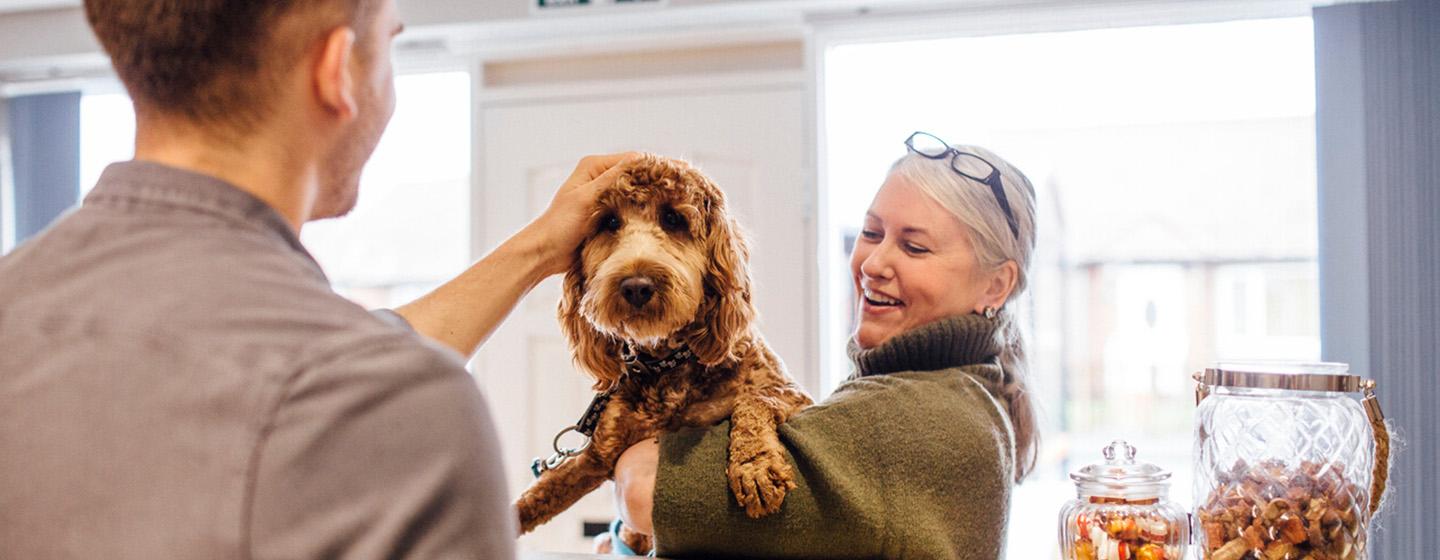
Adopting a new puppy or dog can be an incredibly rewarding experience, but what can you expect from the entire process? There are so many dogs in animal shelters all over the world looking for their forever homes, including both puppies and older dogs. These adorable dogs may have come to a rescue centre because they've had a rough start to life or their previous owners may no longer have been able to care for them. One thing's for sure though, rescue dogs just need someone who can offer them plenty of love and understanding. If you think you could offer a rescue dog or puppy a warm and happy home, keep reading and we'll answer all your questions, including how to adopt a dog and where to find a rescue centre. Should I adopt a dog or a puppy? Adopting a dog or puppy from a rescue centre can be an incredibly rewarding experience. Not only will you be supporting the work of a worthwhile charity, but you'll also be giving an unwanted pup a second chance. If you're thinking about adopting a dog, you'll need to decide whether you have time for a bouncy puppy or want to get a calmer, older dog instead. Puppies will demand a lot of devotion such as training, cleaning up, disciplining and will require plenty of attention to give them everything they need. Because of this, it's not a good idea to consider a puppy if you work long hours or if there won't be someone around during the day to care for them. On the other hand, if you adopt an older dog, they will already have an established routine, a degree of training and will generally just be more responsible. Finding a friend for life If you're unsure what kind of dog best suits your lifestyle, home and family, your local dog adoption centre can help with that. When you express an interest in rescuing a dog or puppy, the dog rescue will usually give you a questionnaire to fill out to better understand your current circumstances, then they'll be able to recommend a suitable dog for you. They're well versed in finding good matches for both people and pets, so you can rest assured that they can help in finding you a friend for life. Additionally, leading charities can offer you lifelong support, so if you ever have issues with your dog, most rescue centres will be willing to help. If your circumstances ever change, most will welcome their dogs back again too.
Adopting a Cat or Kitten
6 mins read
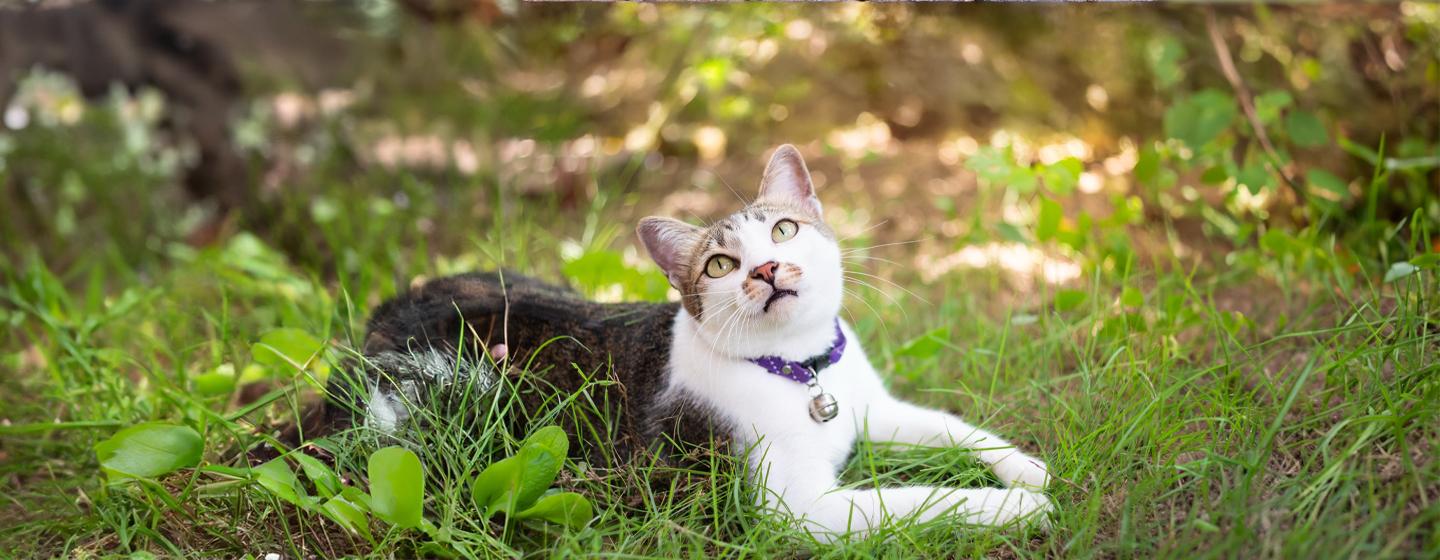
You've decided to give a cat from a shelter a forever home-a fantastic thing to do! There are so many pets in the world that have been abandoned, abused or simply had owners that were no longer able to take care of them. All of these animals are looking for a second chance at a loving home. Whether you're looking to adopt a kitten or an adult cat with a fully formed, unique personality, there are many things to consider before bringing your new family member home. Find out how to adopt a cat and what you'll need for your new arrival with this guide. How to adopt a cat When considering how to adopt a cat, the first thing you need to do is locate a suitable shelter or charity with an established reputation. You can easily find plenty of these by searching for your local centres online. Once you've located a rescue centre, most have online directories of the cats they currently have up for adoption, alternatively you can speak to the staff at the centre for advice on the kind of cat which will suit you.
10 Cat Breeds with Blue Eyes
5 mins read
Cats with blue eyes have captured the hearts of people all over the world, but which cats actually have blue eyes? Keep reading to find out more and discover what can cause them. There's something special about a cat with blue eyes. Dazzling baby blues are a fairly unusual feature in the feline world and it's easy to see why so many people are drawn to them. Blue eyes in cats are generally caused by a lack of pigment, and all kittens are born with blue eyes because cats don't develop eye pigmentation until they're around six weeks old, when the production of melanin kicks in. Some cat breeds with blue eyes (especially pointed breeds) have a recessive albinism gene, which means that they'll always have bright blue eyes. Whereas other breeds have an extra gene which also blocks the coat colour, so these cats will not only have blue eyes but they'll also be white in colour. Here at Purina, we've created a list of cat breeds with blue eyes for all you blue eyed admirers. Balinese This blue eyed cat breed is a longhaired variety of the Siamese. The Balinese has a silky, flowing coat and gorgeously deep blue eyes. The breed's long and elegant body makes the cat incredibly graceful, and it's thanks to this elegance that they're named after the exotic dancers of Bali. The Balinese are known to be an affectionate breed and are extremely friendly toward their owners. They are willing to shower anyone who gives them attention in lots of love. Birman The Birman is a cat breed with blue eyes that's hard to resist. Their glossy blue eyes gives them a sweet appearance which will have you bending over backwards for them. Their common characteristics are gentle, affectionate and playful, making them ideal as family pets.
10 Benefits of Dogs and Children Growing Up Together
4 mins read
Dogs and children can be the best of friends when raised together and can offer a number of benefits to each other, including everything from increased playtime to happier mindsets. Read on to find out more about the advantages of dogs and children growing up together. Most children love dogs. They're cute, cuddly, and oh-so-friendly. But did you know that growing up with a dog can actually benefit a child's physical and psychological development? Here are some of the many benefits of dogs being in children's lives. 1. Constant companionship Although childhood isn't always easy, having a pet provides constant companionship through the ups and downs. Dogs can be a great source of comfort for kids - even when they're coming to grips with difficult life lessons. Whenever kids feel sad, angry, or afraid, they can always turn to their pet. Petting and cuddling dogs has also been shown to relieve stress and help people relax. 2. A more active lifestyle Caring for a dog also encourages a more active lifestyle. Children with dogs exercise eleven minutes a day more than their non-dog owning peers. That might not sound like a lot, but over a week or month, it really adds up. Many dogs require daily walks or runs and plenty of play time. Those adorable puppy eyes they give you are sure to motivate you - even when you're not feeling up to it. Here are a few fun dog exercise ideas that will keep all the family moving. 3. Learning responsibility Having a pet is a great way to teach responsibility to kids. Making sure that the family dog has food and water gives children a first glimpse of accountability and obligation. Children also learn empathy and compassion by caring for their pet, while developing a higher level of self-esteem by taking care of their pet-owning responsibilities. 4. Health is wealth Studies have found that babies raised in close contact with a pet get sick less often in their first year of life, meaning fewer visits to the doctor's office. Exposure to pet dander and the microbes that pets carry into the home from the outdoors is suggested to improve babies' developing immune systems. Research has also found that children who grow up with dogs experience a reduced risk of allergies. 5. Learning unconditional love Kids are the center of attention in any family and they quickly learn that the world revolves around them. This is why it's important to expose them to concepts such as unconditional love or loyalty. What better teacher than our canine companions?
9 Small Dog Breeds You'll Fall in Love With
6 mins read
The perfect companion might be a small fluffy joy of a dog that can't wait for you to come home so you can cuddle together for the rest of the evening. If you're eager to welcome a small pup into the family, we've rounded up some of the most popular small dog breeds. If you've always wanted a nice little dog that draws smiles everywhere you go, this is your chance to get familiar with the cutest small companions ever. We've put together some of the best small dogs you could wish for. From tiny fluffy pooches to the ones ready to charm you with their bold looks and adventurous spirits, these small dog breeds are a delight to have in your life. The best small dogs 1. The cute Bichon Frise Imagine the perfect small dog breed and you'll probably come close to the Bichon Frise's baby-doll face, plush coat and always-happy personality. They are lively and love to learn new tricks, but the Bichon is equally happy all curled up on your lap in the evening. They love people so much that they'll make friends for life with any human that stops to pet their snow-white fluffy coat. And thanks to their cotton ball looks and sparkling big black eyes, there will be plenty of them, from family and friends to complete strangers. The downside of all this affection they show is that they need it back in return. Bichon Frise dogs don't like being by themselves and can go through bouts of separation anxiety if left home alone. If you can arrange for constant human presence, this is one of the cutest small dog breeds to welcome to the family.
8 Big Fluffy Dog Breeds
4 mins read
Big fluffy dog breeds are made for cuddling. There's nothing more comforting than wrapping your arms around them and burying your fingers in their impressive coats, but these coats present an additional challenge - lots and lots of grooming! There's nothing better than a cuddle from a big, fluffy dog breed. Their wonderfully large size coupled with their oversized coats make them the perfect snuggle companions. But you'll need to make sure you have enough space in your home (and sofa) for one and plenty of time to dedicate to a regular grooming schedule! If you love pups which are larger than life and have plenty of coat to run your fingers through, these big fluffy dog breeds are sure to be just what you're looking for. You'll be delighted to know that most have the teddy bear personalities to match too and the biggest hearts you could wish for! 1. Pyrenees Mountain Dog This large and gentle dog breed has roots dating back as far as 3000 B. C. and was originally bred for guarding sheep and livestock. Unforgettable with their beautiful, big white coats, the Pyrenees Mountain Dog is an excellent guard dog with exceptional hearing that's capable of hearing you approach from a serious distance. They're known to be very vocal and will use their impressively loud bark to protect your home. But you'll need to ensure they're well socialised so they don't mistake visiting family or friends to be intruders.
7 of the Best Dog Breeds for Families and Kids
5 mins read
Making the decision to grow your household by four paws is extremely exciting for all involved, but if you have children it can be difficult to find a suitable breed. We've created this guide to tell you all about the best dog breeds for families to help you to choose which best suits you. Dogs and kids can be a great match! Dogs encourage children to exercise and appreciate the outdoors, whilst also helping to develop the social skills of both dog and child alike. When thinking about adding a four-legged friend to the household, parents often worry about the specific dog breeds, as there are some which are a little less predisposed to tolerate the attentions of children. To help you ensure you find the best match for your family, we've created this guide to the best dog breeds for families. Keep reading for helpful advice and to learn which breeds are more predisposed to love family life. What characteristics makes a good family dog? First and foremost, it's generally less about the breed of your dog and more about their individual personality. If you're looking to share your home with both pup and child, your chosen dog should possess the following characteristics: • A calm and even temperament: your new dog should be calm and patient enough to be able to cope with the excitement of kids and eventually grow into a great friend for them. • An appropriate size: on average, very small dog breeds may be more excitable, and they could also be more fragile - as a parent you'll know that kids aren't always the gentlest. Large dog breeds on the other hand tend to be more docile, but they can run the risk of accidentally knocking small children over whilst playing. • Energy levels: this will largely depend on how active your family is. If you choose a high-energy dog, you'll need to make sure you have the time to take them for regular walks and playtime. Also, if you have young children who run around a lot, you shouldn't choose a low energy dog that may become frustrated by the constant excitement. It's not just about choosing the best dog breed for kids, but it's also about teaching your children to be kind to dogs, this will go a long way in ensuring you have a harmonious household. Best dog breeds for families Now you know about the characteristics that make a good family pet, it's time to look at dog breeds that generally have these traits. It's important to note that just because many owners have good experiences with these dog breeds and they are usually well-behaved around children, each dog is an individual, so there's always the risk that this won't be the case for every single dog.
5 Hypoallergenic Dog Breeds
4 mins read
If you or a loved one suffers from dog allergies it can be really frustrating. But did you know that there are hypoallergenic dog breeds that might not provoke your allergies? Keep reading to find out more. If you or a loved one have a dog allergy it can be really frustrating, and you may feel like you're missing out on all the unwavering love that a dog offers. For those unfortunate enough to have an allergy, you may have heard of hypoallergenic dog breeds. These dog breeds are commonly recommended because they don't shed hair or they produce less of a protein that causes allergic reactions in people. But is there really such a thing as a hypoallergenic dog? Keep reading to find out what actually causes allergic reactions to dogs and which breeds could be best for you. What are hypoallergenic dog breeds? Hypoallergenic dog breeds tend to come in two distinct varieties: the first is dogs with little or no hair, such as the hairless Chinese Crested, and the other is breeds that don't shed their coat, which will need to have their fur regularly trimmed or stripped. There is plenty of debate around what exactly causes dog allergies, and many people believe that the allergy lies within the hair, so dogs that don't shed won't cause allergic reactions. However, this is not the case as most people with dog allergies aren't actually allergic to the fur, it's usually either to dog dander - microscopic particles of skin that shed from all animals with fur or feathers - or a particular protein that is found in dander, saliva and urine of dogs. All dogs produce this protein, but hypoallergenic dog breeds produce less, meaning that they'll cause fewer allergic reactions. Despite claims, there is actually no such thing as a completely hypoallergenic dog breed, so if you or a family member suffers from a dog allergy it's recommended that you spend time with your chosen breed first to discover if they will trigger any allergies. The following are hypoallergenic dog breeds that don't shed that may be suitable for people with allergies: 1. Bichon Frise This small, fun-loving pooch has curly white fur that keeps growing rather than shedding. Not only do they hardly ever drool, but their thick coat captures loose hair and dander, and this won't come out until the fur has been removed, so regular grooming is essential to maintain their coat. The Bichon Frise is highly adaptable to a range of situations, and if you live in an apartment these dogs can adapt relatively easily.
5 Hairless Dog Breeds
4 mins read
You may be more used to seeing dogs with fur, but did you know there's a wealth of dogs without the fluff too? Hairless dogs are adorable in their own right and offer perfect cuddles thanks to their soft skin and warm bodies. Find out more about hairless dog breeds, here. If you're looking for a unique pup that'll turn heads everywhere you go, a hairless dog breed may be just what you're after. Where these canines lack the typical fur that's commonly depicted on our four-legged friends, they're just as adorable or playful as their fluffy counterparts! In fact, hairless dogs are super silky, often very warm to the touch and are known to radiate warmth, so they make the most perfect snuggle companions! Keep reading to find out more about which hairless dog breeds are out there and the special requirements that come with caring for a pup without the fluff. Caring for hairless dog breeds Some owners may consider getting a hairless dog thinking that they require far less attention on the grooming front, but this is not always true. Where they do have a lot less fur to brush (if any), their skin still requires plenty of care. Interestingly, the skin of hairless dogs needs similar care to humans and will need regular baths to keep the skin clean and free of dirt, moisturising creams to prevent dryness and sun creams to prevent sunburn. Hairless dog breeds can even develop dog acne too! But don't put any creams recommended for human use on your dog as these may contain chemicals which will irritate their skin or they may be toxic. Speak to your veterinarian for advice on the best creams to use for your hairless dog. It's also important to note that dogs without hair are very sensitive to the cold and wet so you'll need to ensure that you get them a good wardrobe full of raincoats and dog coats to keep them warm and dry during walks. Now you know how to care for them, here's our round up of our top 5 hairless dog breeds:
Vaccinations for Dogs and Puppies
5 mins read
Puppy vaccinations can be a bit confusing if you’re new to dog ownership, but they’re incredibly important to not only keep your beloved pup protected from life-threatening diseases, but to stop passing illnesses on to other dogs as well. Vaccinations are an important part of your puppy’s ongoing health. When you get your four-legged friend you should ask your puppy’s breeder for their up-to-date vaccination record and continue on with the plan they have in place. By ensuring the schedule is followed you’ll ensure that they’re covered against any potential life-threatening diseases and ultimately, aide them in growing into a happy and healthy adult dog. If you’ve just gotten your first pup, or are thinking about it, you may be wondering all about puppy vaccinations, including schedules and how much they cost. At Purina, we’ve done all the hard work for you and have created this puppy vaccination guide to tell you all you need to know. Puppy vaccination schedule When considering your puppy’s vaccination schedule, the initial vaccinations will usually begin when your pup is aged between six and twelve weeks of age. During this time your dog won’t be fully covered, so you won’t be able to take them for walks or have your puppy socialise with any dogs outside out of the household – but you should make sure that the dogs in your home are vaccinated too. Puppy vaccinations will take the form of two injections spaced out over two weeks. As mentioned previously, it’s important for you to ask your breeder, or if you’ve adopted your puppy – your rescue centre which vaccines have been given and when, so you can schedule an appointment with your vet in order to complete the course. As well as their initial puppy injections, your dog will require additional booster jabs. Some injections will make your pup immune for life, some will last for three years, whereas some will require an annual top up to keep them fully inoculated. Don’t worry though, your vet will be able to tell you exactly what they need and when, and you can also ask for them to give you a personalised puppy vaccination schedule so you can put all those important dates in your diary.

Pagination

  • First page
  • Previous page
  • …
  • Page 7
  • Page 8
  • Page 9
  • Page 10
  • Page 11
  • Page 12
  • Page 13
  • Page 14
  • Page 15
  • …
  • Next page
  • Last page
Purina Pet Club logo

Join Purina Pet Club for expert tips, helpful advice, exclusive offers and rewards.

Join the Club
Nourishing pets Purina pets grid card
Purina Pet Club logo

Join Purina Pet Club for expert tips, helpful advice, exclusive offers and rewards.

Join the Club
Nourishing pets Purina pets grid card

Footer

  • Cat
    • Care & Advice
    • Find a Pet
    • Food
    • Our Brands
  • Dog
    • Care & Advice
    • Find a Pet
    • Food
    • Our Brands
  • About Us
    • Our Mission
    • Our History
    • Our Purina Promise
    • Purina In The Community
  • Other
    • Join Purina Pet Club
    • Breed Selector
    • Contact Us

Footer

  • Cat
    • Care & Advice
    • Find a Pet
    • Food
    • Our Brands
  • Dog
    • Care & Advice
    • Find a Pet
    • Food
    • Our Brands
  • About Us
    • Our Mission
    • Our History
    • Our Purina Promise
    • Purina In The Community
  • Other
    • Join Purina Pet Club
    • Breed Selector
    • Contact Us

Footer

  • Cat
    • Care & Advice
    • Find a Pet
    • Food
    • Our Brands
  • Dog
    • Care & Advice
    • Find a Pet
    • Food
    • Our Brands
  • About Us
    • Our Mission
    • Our History
    • Our Purina Promise
    • Purina In The Community
  • Other
    • Join Purina Pet Club
    • Breed Selector
    • Contact Us

Footer

  • Cat
    • Care & Advice
    • Find a Pet
    • Food
    • Our Brands
  • Dog
    • Care & Advice
    • Find a Pet
    • Food
    • Our Brands
  • About Us
    • Our Mission
    • Our History
    • Our Purina Promise
    • Purina In The Community
  • Other
    • Join Purina Pet Club
    • Breed Selector
    • Contact Us
© 2026 Purina. All Rights Reserved.

©Reg. Trademark of Nestlé S.A.

Terms & Conditions
Privacy Policy
© 2026 Purina. All Rights Reserved.

©Reg. Trademark of Nestlé S.A.

Terms & Conditions
Privacy Policy
© 2026 Purina. All Rights Reserved.